A solution designed to turn images into clinical value.
Capture, structure, and leverage clinical video and image streams.
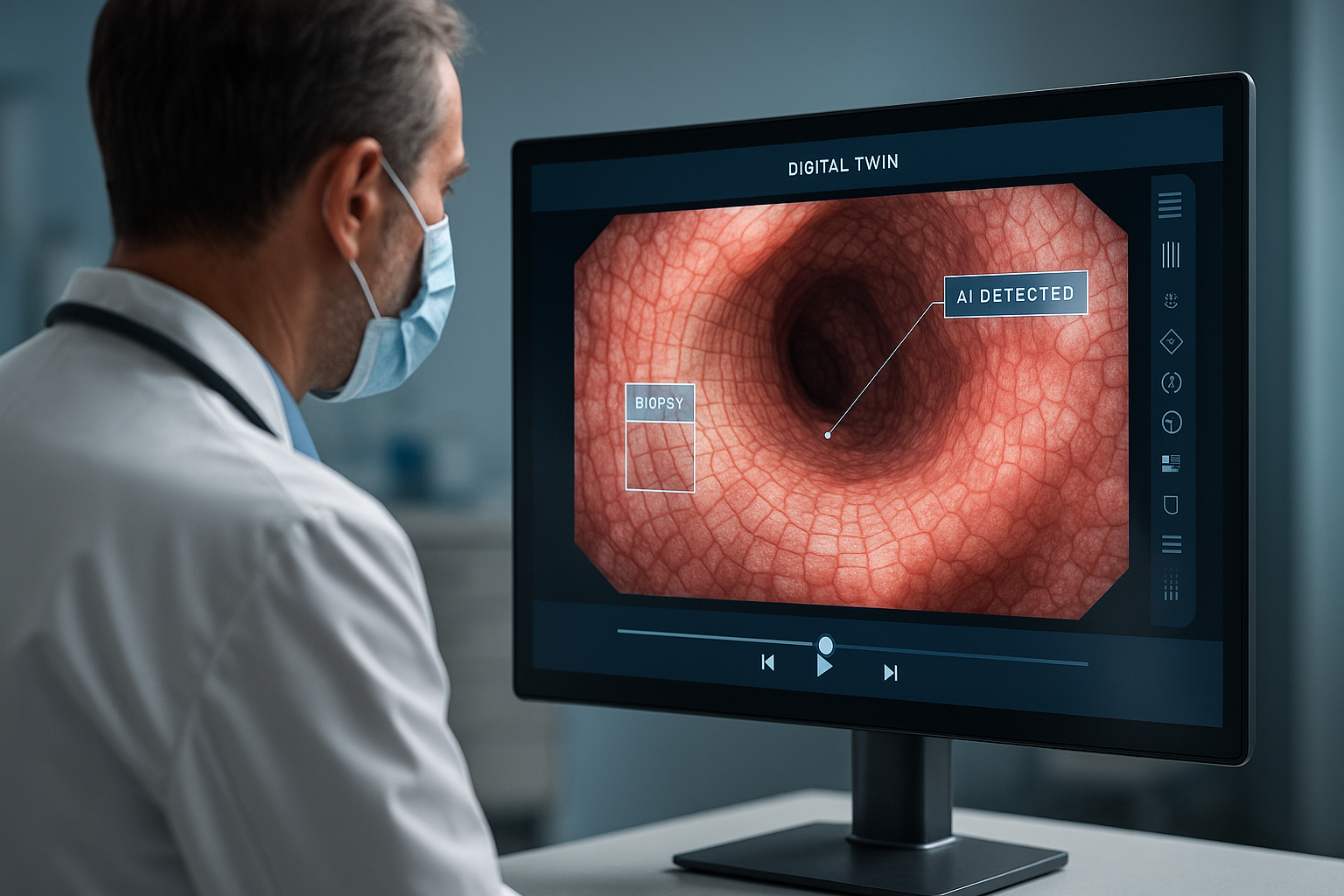
Telendo develops software that captures, processes, and enhances clinical video (digestive endoscopy, cystoscopy, hysteroscopy) and surface images (dermatology) as structured 2D/3D reconstructions — creating a digital twin of the organ or lesion.
Without altering the clinical procedure, Telendo passively connects to devices (endoscopy tower, smartphone), extracts key moments, automatically detects significant events (biopsies, anomalies, areas of interest), and reconstructs an interactive 2D/3D map of the area examined.
This visualization is available after the examination, shareable for second opinions, comparable over time, and usable for telemedicine.
To understand what Telendo enables, we must first consider the challenges it addresses.
Problem Statement and Value Proposition
A massive volume of images with limited actionable value.
Today, the majority of examinations are neither reviewed nor archived structurally. Diagnosis depends on the clinician’s memory, longitudinal comparison is difficult, and multi-site collaboration is limited.
More specifically, healthcare professionals face three major challenges:
Telendo’s solution
How does Telendo work?
From Capture to Clinical Interpretation
Discover how Telendo transforms a standard video stream into a powerful tool for review and advanced diagnosis.
- 1
Inputs
- – Endoscopy video streams (esophagus / stomach / colon), cystoscopy, hysteroscopy.
- – Dermatology images/videos (smartphone).
- – Examination metadata and clinical context (depending on integration).
- 2
Processing
- – 2D/3D reconstruction (mosaicking, stabilization, spatial registration).
- – Detection AI: anomalies, biopsies, areas of interest, anatomical landmarks.
- – Agentic AI: data enrichment (metrics, completeness, image quality), synthesis, and traceable actions.
- 3
Outputs
- – Interactive digital twin, event timeline, measurements, and reference views.
- – Rapid review, second opinion, longitudinal comparison, tele-expertise.
- – Exportable structured draft report; ready for export and training.
Clinical use cases
Real scenarios, one solution.
Telendo integrates into a variety of hospital settings, whether dealing with high workload, the need for traceability, or remote exchanges. Here are four real examples where our technology addresses a critical clinical need.
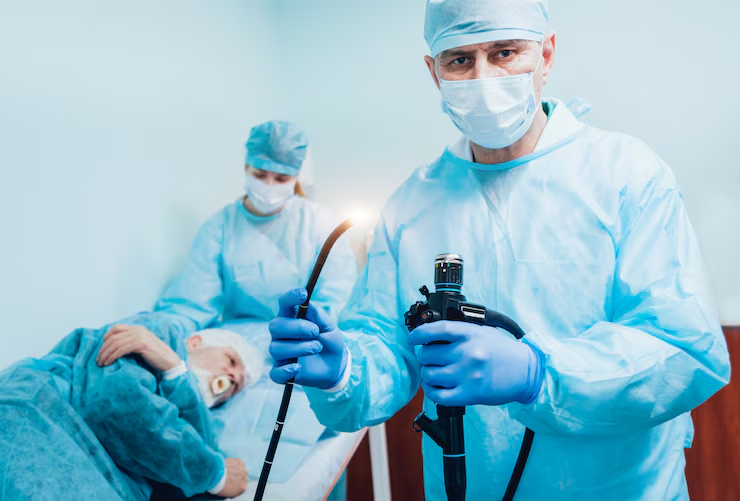
Gastroenterology (endoscopy)
Areas of interest in endoscopy
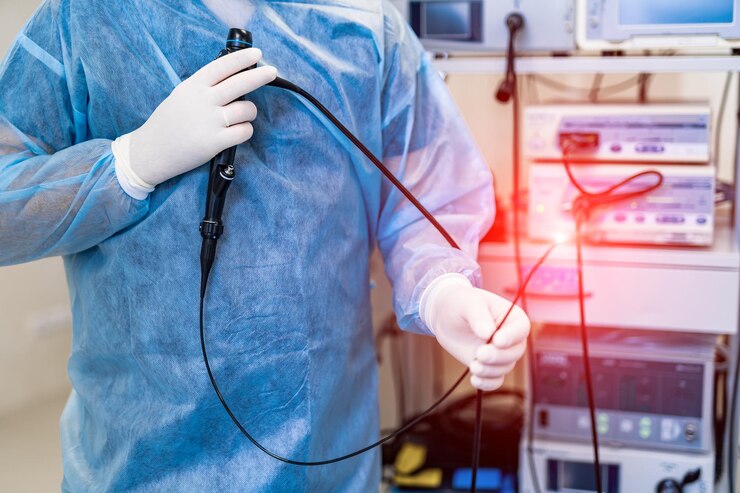
In a digestive examination where clinicians must identify precise anomalies, Telendo enables visualization and annotation of areas of interest, demonstrates examination completeness, traces biopsies, improves image quality, and facilitates review & second opinions.
Urology (cystoscopy)
Mapping bladder lesions
A patient with suspected urinary lesions benefits from precise mapping. Telendo standardizes documentation and compares before and after treatment for reliable, collaborative follow-up.
Gynecology (hysteroscopy)
Areas of interest in hysteroscopy
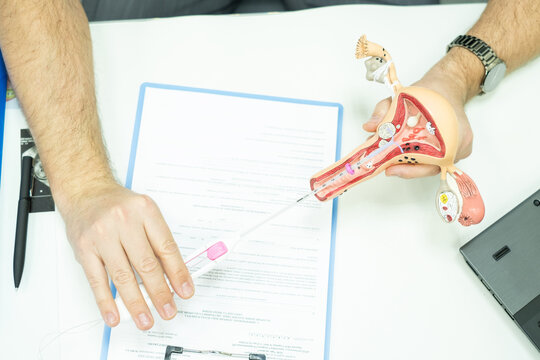
During a gynecological exam, Telendo visualizes and annotates areas of interest, streamlines documentation and planning, enabling faster reporting and informed decision-making.
Dermatology (skin) - 2D/3D lesion reconstructions
For tracking dermal lesions
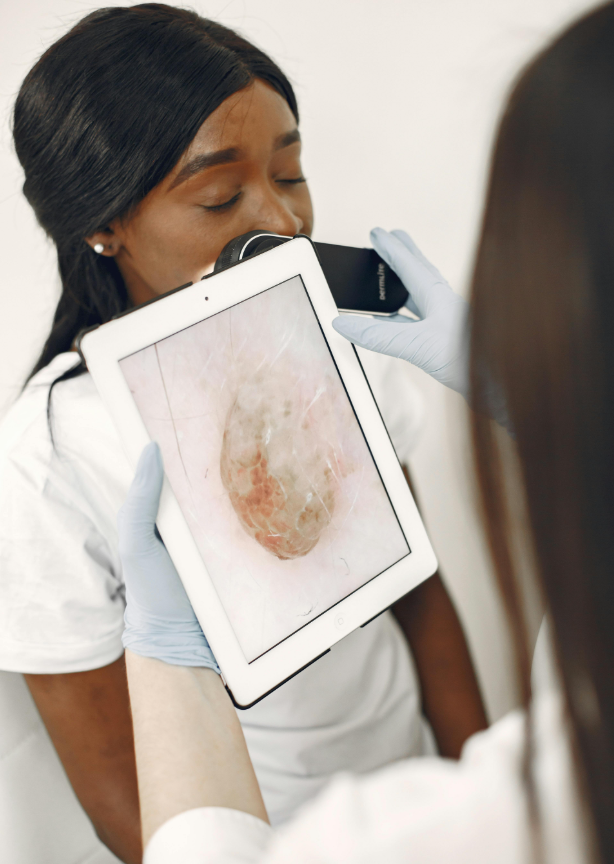
Telendo reconstructs the skin surface in 2D/3D, objectively measures criteria, facilitates longitudinal follow-up through healing, and supports tele-dermatology and clinical/cosmetic studies.
The benefits of Telendo for:
Clinicians
Telendo provides better visibility into clinical information, accelerates day-to-day documentation, and helps clinicians make more informed decisions.
Centers
Telendo enhances the value of available data, promotes standardization of practices, and simplifies training and collaboration within teams.
Patients
Patients benefit from fewer repeat procedures, more reliable traceability, and a shared understanding of each step in their care pathway.